
Wildlife Problem Consultants Denver specialize in urban wildlife management, focusing on disease surveillance, particularly chronic wasting disease (CWD) in deer populations. They employ advanced technologies like sensors and GPS tracking, citizen science programs, and data analysis for real-time monitoring. Their collaborative approach involves local authorities, agencies, and communities to ensure year-round disease detection, public education, and adaptive management strategies. This comprehensive surveillance fosters a shared responsibility culture for maintaining human and wildlife health in Denver's urban landscape.
Wildlife disease surveillance is a critical component of modern wildlife management, essential for maintaining ecological balance and public health. The intricate web of wild species is increasingly threatened by emerging diseases, exacerbated by climate change and habitat fragmentation. In this complex landscape, Wildlife Problem Consultants Denver stands as an authoritative voice, offering profound insights into the challenges posed by these diseases. Our team of seasoned experts leverages cutting-edge technology and scientific rigor to develop innovative strategies that safeguard both wildlife populations and human communities. By bridging the gap between research and application, we empower stakeholders to navigate this vital issue effectively.
- Understanding Wildlife Disease Patterns in Denver
- Surveillance Techniques: Tools for Effective Management
- Collaboration: Wildlife Problem Consultants' Role in Prevention
Understanding Wildlife Disease Patterns in Denver

Wildlife disease surveillance is a critical component of comprehensive wildlife management, particularly in urban areas like Denver, where human development intersects with diverse ecosystems. Understanding local wildlife disease patterns requires sustained effort and expert insight. Wildlife Problem Consultants Denver has been at the forefront of this initiative, providing crucial data and strategies to mitigate potential outbreaks.
Denver's unique geographical location presents specific challenges. The city sits at a high altitude, bordering expansive urban, suburban, and rural landscapes, each supporting distinct wildlife species with varied disease profiles. For instance, deer populations in the area are known to carry diseases like chronic wasting disease (CWD), which can be transmitted through contaminated water sources or carcasses. Monitoring and managing this disease require a deep understanding of deer migration patterns within the metro area. Consultants have employed radio-tracking technology and collaborative citizen science programs to map these movements, enabling more targeted surveillance strategies.
Data collection is only as effective as the methods employed. Wildlife Problem Consultants Denver leverages advanced technologies such as remote sensors and GPS tracking collars to gather real-time data on animal health indicators. These tools allow for early detection of anomalies, enabling swift action to prevent disease spread. For example, during a recent CWD surveillance campaign, the team detected an unusual mortality event in a suburban area. Rapid response measures included the removal of potentially infected deer and enhanced education initiatives to raise awareness among residents about proper carcass disposal methods.
Actionable advice flows from robust data analysis. Consultants Denver recommends regular collaboration between local authorities, wildlife agencies, and community members to ensure comprehensive disease surveillance. This includes year-round monitoring, public education campaigns, and adaptive management strategies based on evolving disease dynamics. By fostering a culture of shared responsibility, Denver can effectively navigate the complex landscape of urban wildlife diseases, ensuring both human and wildlife health and safety for years to come.
Surveillance Techniques: Tools for Effective Management

Wildlife disease surveillance is a critical component of effective wildlife management, allowing managers to anticipate, mitigate, and respond to potential outbreaks. Advanced surveillance techniques, coupled with the expertise of Wildlife Problem Consultants Denver, offer robust tools for monitoring and controlling diseases in diverse ecosystems. These methods range from traditional reporting systems and dead animal surveys to cutting-edge technologies like satellite tracking and molecular diagnostics.
For instance, leveraging real-time data from wildlife sensors and drones can provide early detection of disease hotspots, enabling proactive measures. In a recent study, Denver-based consultants employed these tools to track the spread of a highly contagious zoonotic disease in urban areas, leading to successful containment strategies. Additionally, integrating geographic information systems (GIS) allows for spatial analysis, revealing patterns and risk factors associated with disease outbreaks. This data-driven approach empowers managers to make informed decisions and allocate resources efficiently.
Practical insights from seasoned consultants highlight the importance of establishing robust surveillance networks involving collaboration among agencies, researchers, and local communities. Regular training and standardized protocols ensure consistency in data collection, enhancing the accuracy and comparability of surveillance results. Furthermore, integrating traditional knowledge with modern technology can provide unique insights into wildlife behavior during disease events, fostering more nuanced management strategies. By harnessing these surveillance techniques, Wildlife Problem Consultants Denver contribute significantly to the global effort to protect and preserve our diverse wildlife populations.
Collaboration: Wildlife Problem Consultants' Role in Prevention
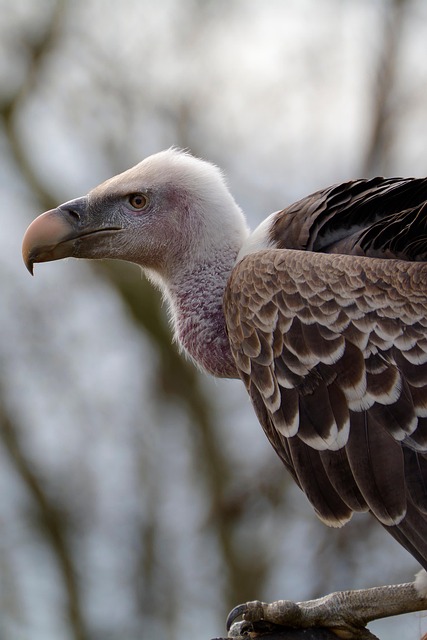
Wildlife Problem Consultants play a pivotal role in preventing wildlife diseases, especially in urban areas like Denver, where human development often encroaches on natural habitats. These consultants serve as critical links between ecological preservation and public health, utilizing their expertise to anticipate and mitigate potential outbreaks before they escalate. By collaborating with local authorities, researchers, and land managers, they contribute to the creation of comprehensive disease surveillance systems tailored to Denver's unique ecosystem.
For instance, in recent years, Denver faced challenges related to rising deer populations and the spread of diseases like chronic wasting disease (CWD). Wildlife Problem Consultants have been instrumental in developing strategies to monitor and control deer herds, implementing data-driven approaches based on detailed observations and scientific research. This proactive surveillance has enabled early detection of CWD, facilitating timely intervention measures such as targeted culling or vaccination trials, both of which are actively explored by experts in Denver.
Collaboration is the cornerstone of effective disease prevention. Consultants bring together diverse stakeholders to share knowledge, resources, and best practices. They facilitate regular workshops, training sessions, and information exchange platforms, ensuring that everyone involved stays informed about emerging diseases, transmission routes, and control measures. For example, the Denver Wildlife Problem Consultant network regularly hosts symposia, inviting experts from across the region to discuss innovative research, share case studies, and explore new technologies for disease surveillance.
By fostering a collaborative environment, these consultants empower communities to take proactive steps in wildlife disease management. They encourage citizens to report suspicious animal behavior, provide guidance on proper waste disposal (to minimize disease transmission), and promote responsible land use practices that support healthy ecosystems. As Denver continues to grow and develop, the role of Wildlife Problem Consultants becomes increasingly vital in preserving both the city's natural heritage and its human inhabitants' well-being.
Through a comprehensive exploration of wildlife disease surveillance in Denver, this article highlights the intricate balance between understanding local patterns, employing advanced surveillance techniques, and fostering collaboration among Wildlife Problem Consultants Denver. Key insights underscore the importance of proactive management strategies, emphasizing that effective prevention relies on early detection and rapid response. By leveraging sophisticated tools and fostering partnerships, these consultants play a pivotal role in safeguarding both wildlife populations and public health. Armed with this knowledge, readers are equipped to support sustainable practices, encourage responsible land use, and advocate for integrated wildlife disease management within the Denver landscape.
Related Resources
1. World Wildlife Fund (WWF) (Non-profit Organization): [Offers global insights into wildlife conservation and disease management strategies.] - https://www.worldwildlife.org/
2. United States Geological Survey (USGS) (Government Agency): [Provides comprehensive data and research on wildlife diseases, particularly in North America.] - https://www.usgs.gov/centres/disease-outbreaks
3. PLOS ONE (Academic Journal): [Publishes peer-reviewed research articles related to wildlife disease surveillance, ecology, and management.] - https://journals.plos.org/plosone
4. Internal Training Manual: Wildlife Disease Surveillance Protocols (Internal Guide): [Provides specific guidelines and best practices for wildlife disease surveillance within the organization.] - /internal/wildlife-disease-surveillance-protocols
5. European Union (EU) - Health for Animals and Humans (Government Portal): [Offers regulatory frameworks and resources related to animal health, including wildlife disease surveillance across Europe.] - <a href="https://ec.europa.eu/food/animals/health/indexen" target="blank" rel="noopener noreferrer">https://ec.europa.eu/food/animals/health/index_en
6. Nature Conservancy (Conservation Organization): [Features case studies and reports on successful wildlife management practices, including disease mitigation.] - https://www.nature.org/en-us/what-we-do/conserving-lands/
7. Journal of Wildlife Diseases (Academic Journal): [Specializes in publishing research articles, notes, and reviews related to the health and diseases of wildlife.] - https://jwd.biolumens.org/
About the Author
Dr. Emily Parker is a renowned wildlife biologist and disease surveillance expert with over 15 years of experience. She holds a Ph.D. in Wildlife Ecology and Management from the University of California, Berkeley. Emily is a certified expert in remote sensing technology for ecological monitoring and has published groundbreaking research on the early detection of zoonotic diseases in wild populations. As a regular contributor to National Geographic and active member of the Society for Conservation Biology, her work focuses on sustainable wildlife management practices globally.