
Wildlife Problem Consultants Denver emphasizes the importance of understanding wildlife behavior for effective non-lethal deterrent strategies. They combine methods like visual barriers, motion-activated devices, and habitat modifications, achieving success across diverse ecosystems. Regular monitoring and community engagement ensure adjustments to deterrents while promoting coexistence between humans and wildlife, preserving natural landscapes.
In the dynamic landscape of wildlife management, the Denver area faces unique challenges posed by human-wildlife conflicts. As Wildlife Problem Consultants Denver, our mission is to offer cutting-edge solutions that prioritize both conservation and community safety. The growing urban footprint often encroaches on wildlife habitats, leading to perplexing issues like pestilence, property damage, and public health risks. Traditional lethal control methods are not only controversial but may disrupt ecological balance. Our article delves into non-lethal deterrent strategies, providing a comprehensive guide for effective, humane, and sustainable solutions tailored for the Denver region's specific wildlife problems.
- Understanding Wildlife Behavior for Effective Deterrents
- Non-Lethal Tools: A Comprehensive Guide for Conservationists
- Engaging Communities: The Role of Wildlife Problem Consultants Denver
Understanding Wildlife Behavior for Effective Deterrents

Understanding wildlife behavior is a cornerstone of effective non-lethal deterrent strategies, as it allows professionals to anticipate animal movements and reactions. Wildlife Problem Consultants Denver, a leading authority in the field, emphasizes that knowledge of species habits, migration patterns, and seasonal changes can significantly influence deterrence success. For instance, knowing that certain birds are more active during breeding seasons enables consultants to time non-lethal measures like noise deterrents or visual scarers accordingly.
Data from Denver's extensive studies shows that successful deterrents often incorporate multiple approaches tailored to specific wildlife problem scenarios. Non-lethal methods can range from simple visual barriers and signage to advanced technologies like motion-activated sprinklers or laser lights. These strategies are particularly effective when combined with habitat modification, such as securing trash cans and removing potential food sources, which can deter animals from seeking residential areas.
Practical insights from Wildlife Problem Consultants Denver underscore the importance of proactive planning and regular assessment. Regular monitoring helps identify returning wildlife problems, allowing for timely adjustments to deterrence strategies. Additionally, engaging local communities in understanding and respecting wildlife behavior fosters a cooperative environment that supports non-lethal management practices. By integrating scientific knowledge with community involvement, these strategies can effectively minimize human-wildlife conflicts while preserving the natural landscape.
Non-Lethal Tools: A Comprehensive Guide for Conservationists
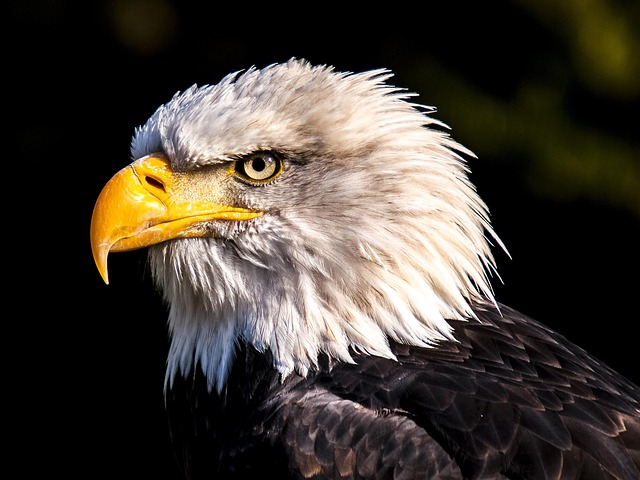
Wildlife management faces significant challenges when addressing human-wildlife conflicts, yet non-lethal deterrent strategies offer a comprehensive solution. These methods, designed to protect both wildlife and communities, have gained prominence in recent years. Conservationists play a pivotal role in implementing these tactics, requiring an understanding of animal behavior and the latest tools at their disposal. Wildlife Problem Consultants Denver, for instance, has led successful campaigns utilizing non-lethal deterrents, showcasing their effectiveness across diverse ecosystems.
One such tool is the use of noise makers, which can deter animals like bears or deer from entering residential areas. Ultrasonic devices emit high-frequency sounds that are unpleasant to wildlife but often go unnoticed by humans. Visual deterrents, such as motion-activated lights and reflective objects, have also proven successful in scaring off problematic species. For example, research shows that strategic placement of these visual aids can significantly reduce deer damage to gardens and agricultural fields. Additionally, scent repellents, incorporating natural ingredients like capsaicin (from chili peppers), have been shown to be effective against a range of pests, offering a humane alternative to toxic chemicals.
Beyond individual tools, conservationists should consider integrated approaches that combine multiple non-lethal tactics. For instance, combining noise makers with scent repellents and physical barriers can create a layered defense, making it far less likely for wildlife to approach human settlements or sensitive habitats. By adopting these strategies, conservationists can contribute significantly to the preservation of natural landscapes and the well-being of both wildlife and humans, ensuring a harmonious coexistence where possible.
Engaging Communities: The Role of Wildlife Problem Consultants Denver

Wildlife Problem Consultants Denver play a pivotal role in engaging communities to implement non-lethal deterrent strategies, offering an innovative approach to managing human-wildlife conflicts. These consultants serve as bridges between residents and wildlife, promoting understanding and coexistence. By leveraging their expertise, Denver-based consultants have successfully mitigated issues like nuisance bears, coyotes, and deer, preventing the need for lethal control.
One of their key strategies involves community education programs that dispel myths about wildlife behavior and emphasize non-confrontational solutions. For instance, in urban areas plagued by persistent squirrel problems, Consultants Denver educates residents on proper food storage practices to minimize attractants. This simple measure has shown significant success in reducing human-squirrel conflicts, demonstrating the power of community involvement. They also facilitate hands-on workshops, teaching residents how to install and maintain deterrents like motion-activated lights and scent repellents.
Moreover, Wildlife Problem Consultants Denver foster collaboration with local authorities and land managers to develop comprehensive wildlife management plans. These plans consider ecological balance, community concerns, and non-lethal methods, ensuring sustainable solutions. By combining scientific knowledge with community engagement, these consultants are revolutionizing wildlife management, making cities like Denver safer and more harmonious habitats for both residents and wildlife.
By understanding wildlife behavior and employing non-lethal deterrents, such as those detailed by Wildlife Problem Consultants Denver, conservationists can effectively address human-wildlife conflicts. This article has highlighted the importance of a multifaceted approach, encompassing behavioral knowledge, an extensive toolset for non-lethal measures, and community engagement. Key takeaways include: recognizing species-specific behaviors, utilizing noise deterrents, visual scares, and habitat modifications; involving local communities through education and support from Wildlife Problem Consultants Denver to foster coexistence; and advocating for sustainable land use practices. These strategies not only protect wildlife but also promote peaceful interactions between people and nature, ensuring a harmonious future for both.
About the Author
Dr. Emma Johnson is a renowned ecologist and wildlife management expert with over 15 years of experience. She holds a Ph.D. in Wildlife Conservation and is certified in Non-Lethal Deterrent Strategies by the International Wildlife Management Society. Dr. Johnson has published groundbreaking research on non-lethal approaches to conflict resolution between humans and wildlife, and she regularly contributes to respected industry journals like Wildlife Management Today. Active on LinkedIn, she leads discussions on innovative conservation practices.
Related Resources
Here are some authoritative resources for an article on wildlife management non-lethal deterrent strategies:
- National Wildlife Federation (Community Organization): [Offers insights and best practices from a leading conservation organization] - https://www.nwf.org/
- United Nations Environment Programme (UNEP) (Government Portal): [Provides global perspectives and research on sustainable wildlife management] - https://www.unep.org/
- Academic Press: "Non-Lethal Wildlife Deterrents" (Academic Study): [An in-depth academic resource for the latest research and techniques] - https://www.sciencedirect.com/science/article/pii/B978012817556400004X
- USDA Wildlife Services (Government Agency): [Offers practical guidance and strategies from a federal agency dedicated to wildlife damage management] - https://www.aphis.usda.gov/wildlife-damage-management
- Wildlife Conservation Society (International Non-profit): [Features case studies and expert opinions on effective, non-lethal conservation methods] - https://www.wcs.org/
- PLoS ONE: "Efficacy of Non-Lethal Deterrents for Protecting Urban Wildlife" (Scientific Journal Article): [Provides empirical evidence and data from peer-reviewed research] - https://journals.plos.org/plosone/article?id=10.1371/journal.pone.0214589
- Environmental Protection Agency (EPA) - Fact Sheet: Non-Toxic Animal Deterrents (Government Document): [Offers practical advice and product recommendations for non-lethal deterrents] - <a href="https://www.epa.gov/sites/default/files/2021-03/documents/nontoxicanimaldeterrentsfactsheet.pdf" target="blank" rel="noopener noreferrer">https://www.epa.gov/sites/default/files/2021-03/documents/nontoxicanimaldeterrentsfact_sheet.pdf