
Wildlife Problem Consultants Denver address unique challenges in enhancing wetlands impacted by urbanization. They specialize in habitat restoration for waterbirds, fish, and amphibians while mitigating environmental issues like erosion and pollution. Their strategies include site assessment, hydrological modifications, native vegetation reintroduction, and enhancing habitat diversity, followed by monitoring and adaptive management. This tailored approach ensures effective wetland restoration aligned with ecosystem needs.
Wildlife Management involves intricate ecosystems, with wetlands playing a pivotal role. These habitats not only support diverse flora and fauna but also provide essential services like flood control and water purification. However, urban development poses significant challenges for Denver's wildlife problem consultants in enhancing these delicate ecosystems. This article explores strategies to overcome these hurdles, focusing on successful wetland restoration projects that benefit both nature and local wildlife populations.
- Understanding Wetland Ecosystems and Their Role in Wildlife Management
- Challenges Faced by Denver's Wildlife Problem Consultants in Enhancing Wetlands
- Effective Strategies for Successful Wetland Restoration Projects
Understanding Wetland Ecosystems and Their Role in Wildlife Management
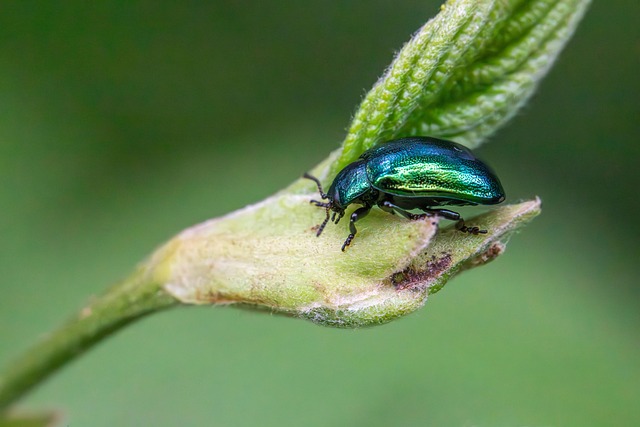
Wetlands, often referred to as the "ecosystem engineers" of our planet, play a pivotal role in wildlife management. These diverse habitats, ranging from marshlands and peatlands to swamps and riverbanks, serve as critical nursery grounds for countless species, providing food, shelter, and breeding sites. They are particularly vital for waterbirds, fish, and amphibians, many of which rely on these ecosystems for their survival.
Understanding the intricate web of interactions within wetlands is crucial for Wildlife Problem Consultants in Denver who specialize in enhancement projects. These consultants recognize that effective management involves preserving and restoring natural processes such as hydrological balance, nutrient cycling, and vegetation dynamics. By enhancing wetlands, they not only improve wildlife habitats but also mitigate impacts from erosion, flooding, and pollution, contributing to a healthier environment for both wildlife and human communities.
Challenges Faced by Denver's Wildlife Problem Consultants in Enhancing Wetlands

Denver's wildlife problem consultants often encounter unique challenges when enhancing wetland habitats. The city's rapid urbanization has fragmented and reduced natural wetlands, making it difficult to restore ecological balance. These experts must navigate a complex landscape where human development has altered water flow patterns, introduced invasive species, and decreased habitat diversity.
Additionally, they face the challenge of accommodating diverse wildlife needs while ensuring public safety and addressing community concerns. Balancing these factors requires meticulous planning and an in-depth understanding of local ecosystems. Wildlife Problem Consultants Denver strive to create sustainable solutions that promote ecological health and coexist harmoniously with urban growth.
Effective Strategies for Successful Wetland Restoration Projects

Wetland restoration projects require a nuanced approach, especially when aiming for successful long-term outcomes. Engaging experienced wildlife problem consultants in Denver is a strategic move, as they bring specialized knowledge to the table. These experts can guide project managers through complex ecological considerations, ensuring the enhancement efforts align with the unique needs of the local ecosystem. By implementing evidence-based strategies tailored to the specific wetland type and surrounding habitat, restoration becomes more effective.
Key strategies include comprehensive site assessment, where consultants analyze soil composition, water quality, and existing wildlife populations. This initial step is crucial for developing a detailed restoration plan. Subsequently, they may employ techniques such as controlled hydrological modifications, native vegetation reintroduction, and habitat structural diversity enhancement. Regular monitoring and adaptive management are also vital to track progress, identify challenges promptly, and make informed adjustments to the restoration strategy.
Wildlife management wetland enhancement projects, spearheaded by Denver's Wildlife Problem Consultants, are essential strategies for restoring ecological balance. By understanding the intricate role of wetlands in supporting diverse wildlife populations and addressing challenges unique to urban environments, these consultants play a vital part in conservation efforts. Through effective restoration techniques, they ensure successful project outcomes, contributing to the overall health and biodiversity of local ecosystems. This approach not only benefits wildlife but also enhances the quality of life for Denver residents who value their natural surroundings.