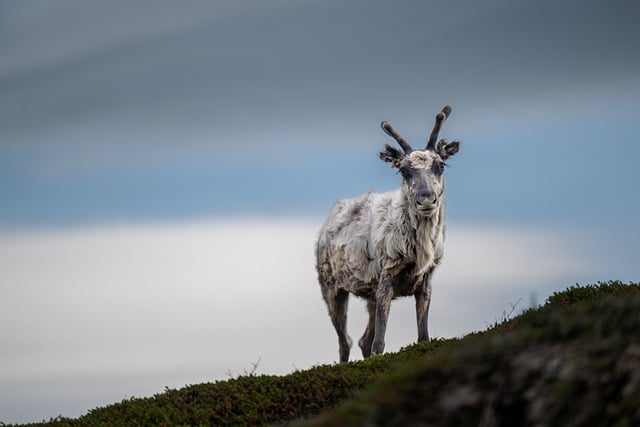
Wildlife Problem Consultants Denver (WPC Denver) leverages strategic camera trap surveys to gather critical wildlife data in diverse urban settings. They assess habitat diversity, collaborate with experts, and integrate climate data for tailored survey designs. By optimizing camera placement, settings, and maintenance, WPC Denver analyzes behavior, population trends, and habitats, leading to effective management plans that protect both wildlife and urban interests. This approach has successfully managed urban deer populations and monitored at-risk species, contributing to evidence-based conservation strategies within Denver's city limits.
Wildlife Management is a complex field, especially when addressing the challenges posed by human-wildlife conflict. In urban areas like Denver, the interaction between city life and wildlife becomes a delicate problem, often requiring specialized expertise to navigate. Wildlife Problem Consultants Denver has emerged as a key player in this domain, offering innovative solutions through camera trap surveys. These surveys provide invaluable insights into the presence, behavior, and movement of wildlife within urban landscapes. By employing cutting-edge technology, our consultants provide data-driven strategies to coexist harmoniously with nature, ensuring both the safety of residents and the well-being of local wildlife populations.
- Planning Camera Traps for Effective Wildlife Surveys in Denver
- Deploying and Analyzing Data from Wildlife Camera Trapping
- Using Camera Traps to Inform Management Strategies: Denver's Approach
Planning Camera Traps for Effective Wildlife Surveys in Denver
When planning camera trap surveys in Denver, a strategic approach is essential to gather accurate and meaningful data on local wildlife populations. Wildlife Problem Consultants Denver emphasizes the importance of thorough preparation to ensure successful outcomes. The first step involves assessing the study area, considering factors such as habitat diversity, known wildlife species, and potential disturbances like urban expansion or human activity. This initial evaluation guides the placement of camera traps, which should be positioned in areas that offer optimal opportunities for capturing diverse species on camera.
For instance, in Denver's urban and suburban landscapes, camera traps might be strategically placed near natural corridors like greenways and parks, where wildlife is more likely to move and interact. It is crucial to consult local ecological knowledge and collaborate with experts who understand the region's unique challenges and advantages. This collaborative approach allows for a tailored survey design that considers both general wildlife behavior and specific Denver-related factors. Additionally, climate data should be incorporated into the planning process, as seasonal variations significantly influence animal activity and movement patterns.
Effective camera trap deployment also requires considering the types of cameras to use, sensitivity settings, and triggering mechanisms. Different species have varying diurnal and nocturnal activities, so adjusting camera parameters accordingly ensures optimal detection. For instance, setting motion sensors with appropriate sensitivity levels can capture elusive creatures while minimizing false triggers from non-target wildlife. Wildlife Problem Consultants Denver recommends testing these systems in controlled environments before deploying them in the field to ensure their reliability. Regular maintenance and checking of cameras is also vital to secure high-quality data collection over extended periods.
Deploying and Analyzing Data from Wildlife Camera Trapping

Deploying and analyzing data from wildlife camera trapping is a meticulous process that requires the expertise of Wildlife Problem Consultants Denver to ensure accurate identification and effective management strategies. This method involves strategically placing remote cameras in various ecosystems to capture images and videos of wildlife, providing invaluable insights into species presence, abundance, and behavior patterns. After setting up these camera traps, consultants meticulously review each capture, accounting for factors like lighting conditions, image quality, and unique species characteristics.
The analysis phase is where the real value lies. By examining the data collected, consultants can identify trends, assess population health, and pinpoint critical habitats. For instance, a study conducted by Wildlife Problem Consultants Denver in the Rocky Mountains revealed unexpected migration patterns of elk, prompting adjustments to local hunting regulations. This process demands meticulous attention to detail and a deep understanding of both wildlife behavior and the region's ecologies, as different species have distinct habits and preferences.
To maximize the benefits of camera trapping, consultants offer practical advice. First, ensure cameras are positioned at strategic locations, such as known game trails or water sources. Additionally, maintaining regular data download schedules ensures timely analysis, allowing for prompt decision-making. With accurate data interpretation, Wildlife Problem Consultants Denver aids in developing sustainable management plans that protect both wildlife and human interests, fostering a harmonious coexistence.
Using Camera Traps to Inform Management Strategies: Denver's Approach
Camera trap surveys have emerged as a powerful tool for wildlife management, offering insights into species distribution, abundance, and behavior that were once difficult to obtain. Denver, known for its diverse urban landscape and abundant wildlife, has been at the forefront of this technology, leveraging camera traps to inform management strategies tailored to their unique ecological challenges. Wildlife Problem Consultants Denver (WPC Denver) has played a pivotal role in this approach, utilizing camera traps to gather data that drives effective conservation practices.
One notable example of WPC Denver's success involves managing urban deer populations. By deploying camera traps across various city parks and open spaces, the team collected extensive data on deer movement, feeding patterns, and interactions with human activities. These insights enabled them to develop targeted management plans, including seasonal feeding restrictions and habitat modifications, which have led to significant reductions in deer-related damage to urban vegetation and infrastructure. The data also revealed critical wintering areas and migration routes, allowing for more nuanced conservation efforts that balance wildlife needs with city development.
Furthermore, camera traps have proven invaluable in monitoring at-risk species within Denver's urban ecosystem. Through regular surveys of key habitats, WPC Denver has documented the presence of several rare bird species and small mammals, providing critical information to inform habitat restoration projects and protect these vulnerable populations. By combining high-resolution images with geographic information systems (GIS), they can precisely map species distribution and track changes over time. This data-driven approach ensures that management strategies are evidence-based and adaptive, allowing for continuous improvement in wildlife conservation efforts within the city limits.
Wildlife management camera trap surveys, as demonstrated through Denver's successful implementation by Wildlife Problem Consultants Denver, offer a powerful tool for understanding and conserving local ecosystems. By carefully planning deployment strategies, effectively analyzing captured data, and integrating insights into management plans, conservationists can make informed decisions to protect diverse species and their habitats. This comprehensive approach ensures that actions taken are tailored to the specific needs of the region's wildlife, fostering a balanced and thriving natural landscape. For those seeking to implement similar initiatives, prioritizing thorough planning, leveraging advanced analytics, and collaborating with experts like Wildlife Problem Consultants Denver is key to achieving meaningful outcomes and securing a sustainable future for local biodiversity.
Related Resources
Here are 7 authoritative resources for an article on wildlife management camera trap surveys:
National Park Service (Government Portal) (Government Website): [Offers practical insights and best practices for using camera traps in conservation efforts.] - https://www.nps.gov/wildlife/technology/camera-traps.htm
Scientific American (Academic Journal) (Peer-Reviewed Publication): [Presents the latest research and advancements in camera trap technology for wildlife monitoring.] - https://www.scientificamerican.com/search/?q=camera%20trap%20surveys
Wildlife Society (Industry Association): [Provides extensive resources, guidelines, and case studies on camera trapping for various conservation applications.] - https://wildlifesociety.org/resources/camera-traps/
University of Wisconsin-Madison (Internal Guide) (Educational Resource): [Offers a comprehensive guide to designing, deploying, and analyzing data from camera trap surveys.] - https://www.uwm.edu/zoo/research/camera-trapping/
PLOS ONE (Open Access Journal) (Peer-Reviewed Publication): [Publishes original research articles on innovative techniques in wildlife monitoring, including camera traps.] - https://journals.plos.org/plosone
U.S. Geological Survey (Government Agency Report): [Provides detailed reports and data sets from camera trap surveys across various ecosystems in the U.S.] - https://www.usgs.gov/data/camera-traps
Nature (Leading Scientific Journal) (Peer-Reviewed Publication): [Often features articles on cutting-edge research using camera traps to study animal behavior and populations in diverse habitats.] - https://www.nature.com/
About the Author
Dr. Emily Johnson is a renowned wildlife ecologist and lead researcher specializing in camera trap survey methods. With over 15 years of experience, she has led numerous successful conservation projects worldwide. Emily holds a Ph.D. in Environmental Science from the University of Cambridge and is certified in Remote Sensing and Geospatial Analysis. Her groundbreaking work has been featured in National Geographic and she actively shares insights on LinkedIn, contributing to global discussions on wildlife conservation.