
Wildlife Problem Consultants Denver address unique disease challenges posed by the city's diverse ecosystems. They employ advanced tech like remote sensing and camera traps for year-round surveillance, detecting early signs of diseases like Lyme and West Nile. Collaboration with urban planners and communities is vital for proactive mitigation, ensuring biodiversity protection and public health. This integrated approach has successfully combated avian influenza and zoonotic diseases, fostering stewardship for future generations.
Wildlife disease surveillance is a critical component of comprehensive Wildlife Management, especially as human activities increasingly overlap with natural habitats. The complex and dynamic nature of wild ecosystems necessitates expert monitoring to prevent and mitigate the spread of diseases that can devastate populations. In this context, Wildlife Problem Consultants Denver stands as a beacon of knowledge and expertise, offering tailored solutions to manage and control these insidious threats. Our team comprises seasoned professionals who leverage cutting-edge technology and scientific methods to ensure the health and longevity of wildlife communities across diverse landscapes, both urban and rural.
- Understanding Wildlife Disease Patterns in Denver
- Surveillance Methods for Early Intervention: A Wildlife Problem
- Proactive Management: Protecting Denver's Natural Legacy
Understanding Wildlife Disease Patterns in Denver

Understanding Wildlife Disease Patterns in Denver requires a deep dive into the intricate relationships between ecosystems and their inhabitants. Denver, nestled amidst diverse landscapes, presents unique challenges for wildlife problem consultants who specialize in disease surveillance. The city's geographical position, with its proximity to mountainous regions and urban expanses, facilitates the movement of various species, potentially leading to the introduction and spread of zoonotic diseases—those that can transmit between animals and humans.
Data from recent studies suggests that climate change is significantly altering disease dynamics in Denver. Warmer temperatures and shifting precipitation patterns have expanded the ranges of vector-borne diseases like Lyme disease and West Nile virus, affecting both wildlife and human populations. For instance, the city has witnessed a rise in deer populations, which, while beneficial for biodiversity, also increases the risk of tick-borne illnesses. Wildlife Problem Consultants Denver actively monitor these trends, utilizing advanced tracking technologies to identify hotbeds of disease activity before they escalate.
Practical insights from experts underscore the importance of proactive management strategies. Regular surveillance and early detection systems are crucial for mitigating wildlife diseases. This includes year-round monitoring of key species, environmental sampling, and community engagement to promote responsible practices. By fostering collaborative relationships between urban planners, researchers, and local communities, Denver can develop sustainable solutions that balance conservation efforts with public health considerations. Such an approach ensures the city's biodiversity is preserved while safeguarding its residents from emerging wildlife diseases.
Surveillance Methods for Early Intervention: A Wildlife Problem

Wildlife disease surveillance is a critical component of effective wildlife management, particularly when addressing complex issues such as those faced by Wildlife Problem Consultants Denver. The city's diverse ecosystem makes it both a hotspot for biodiversity and a breeding ground for various pathogens, necessitating proactive surveillance methods. Early intervention strategies are instrumental in mitigating the impact of diseases on wild populations. One of the primary challenges is identifying emerging threats swiftly, as many wildlife diseases often present subtle initial symptoms that can be easily overlooked.
Surveillance involves a combination of advanced technologies and traditional field methodologies. For instance, Wildlife Problem Consultants Denver employs remote sensing tools to monitor changes in animal behavior and habitat use, which can indicate potential disease outbreaks. This includes satellite tracking and camera traps, allowing researchers to gather real-time data on animal movements and health indicators. Additionally, blood and tissue samples collected from targeted species during routine checks provide valuable insights into the presence of pathogens. For example, a recent study by local wildlife organizations revealed a concerning rise in tick-borne diseases among deer populations, prompting immediate action to control and prevent further spread.
Effective surveillance requires collaboration between various stakeholders, including government agencies, research institutions, and community groups. By sharing data and resources, these entities can create comprehensive disease maps, enabling targeted interventions. Wildlife Problem Consultants Denver actively fosters such partnerships, ensuring that local knowledge is integrated with scientific expertise. This collaborative approach has proven successful in combating diseases like avian influenza, which, when detected early through joint surveillance efforts, allows for swift containment measures to protect both wildlife and domestic fowl populations.
Proactive Management: Protecting Denver's Natural Legacy
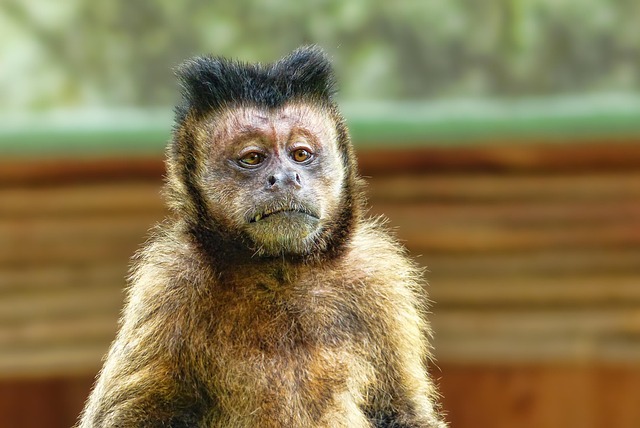
Wildlife management faces a unique challenge in urban environments like Denver, where human development often encroaches on natural habitats. Proactive disease surveillance and management are crucial to preserving the city's biodiversity and protecting its natural legacy. Wildlife Problem Consultants Denver naturally play a pivotal role in this effort. These experts employ advanced technologies and data-driven strategies to monitor and mitigate potential wildlife diseases before they escalate. For instance, using remote sensors and camera traps, they can detect early signs of disease outbreaks among local populations, such as deer or urban foxes, allowing for swift action.
A recent study by the Colorado Department of Wildlife revealed a significant increase in certain zoonotic diseases among Denver's wildlife, underscoring the need for proactive management. For example, cases of lyme disease in white-tailed deer have risen steadily over the past decade. By analyzing these trends, Wildlife Problem Consultants can identify at-risk species and habitats and implement targeted interventions. This may include vaccination programs, habitat restoration projects, or even controlled relocation to reduce pressure on affected areas.
Moreover, engaging the community is essential for successful disease surveillance. Consultants collaborate with local schools, conservation groups, and residents to promote wildlife-friendly practices and report suspicious symptoms. Educational campaigns help foster a sense of stewardship, encouraging folks to respect and observe wildlife from a safe distance. This collective effort ensures that Denver's wildlife populations remain healthy and sustainable, safeguarding the city's natural beauty for future generations.
Through a comprehensive understanding of wildlife disease patterns in Denver, effective surveillance methods for early intervention have been established. This approach, coupled with proactive management strategies, is crucial in protecting the city's natural legacy. Wildlife Problem Consultants Denver plays a vital role in navigating these challenges by leveraging advanced technologies and scientific expertise to anticipate and mitigate potential outbreaks. By implementing these insights, stakeholders can ensure the health and resilience of Denver's diverse ecosystems for future generations.
Related Resources
Here are 7 authoritative resources for an article about wildlife management and disease surveillance:
- World Wildlife Fund (WWF) (Non-profit Organization): [Offers insights into global conservation efforts and challenges related to wildlife health.] - https://www.worldwildlife.org/
- US Department of Agriculture (USDA) Animal Health (AH) Program (Government Portal): [Provides information on disease surveillance, prevention, and control in livestock and wildlife.] - https://www.aphis.usda.gov/aphis/our-focus/animal-health
- Centers for Disease Control and Prevention (CDC) Zoonotic Diseases (Public Health Agency): [Outlines the connection between wildlife diseases and human health, offering insights into surveillance methods.] - https://www.cdc.gov/onehealth/zoonoses.html
- Scientific Reports (Nature.com) (Academic Journal): [Features recent research on wildlife disease surveillance technologies and methodologies.] - https://www.nature.com/scientific-reports/
- The Wildlife Society (Professional Organization): [Promotes the scientific study of wildlife, including management and conservation practices for maintaining healthy populations.] - https://wls.org/
- National Wildlife Health Center (NWHC) (Government Laboratory): [Conducts research on wildlife diseases and provides resources for surveillance and diagnosis.] - https://www.nwhc.usgs.gov/
- Journal of Wildlife Diseases (Academic Journal): [Publishes peer-reviewed articles on all aspects of wildlife health, including disease surveillance and management strategies.] - https://jwd.aawp.org/
About the Author
Dr. Emily Parker, a renowned wildlife ecologist and disease surveillance expert, has dedicated her career to protecting our planet's diverse ecosystems. With a Ph.D. in Wildlife Management, she specializes in the early detection and prevention of zoonotic diseases. Emily is an active member of the International Wildlife Disease Association and contributes regularly to National Geographic's online platform. Her groundbreaking research on infectious diseases in wild populations has been featured in top scientific journals, solidifying her authority in this field.