
Native vegetation planting is a key strategy for Wildlife Problem Consultants Denver to restore urban ecosystems. They focus on regional species that provide food, shelter, prevent erosion, and regulate water cycles, fostering biodiversity. Their expertise includes ecosystem assessments, habitat restoration, predator control, and tailored planting strategies based on site conditions, ensuring long-term success in ecological balance.
In Denver and beyond, addressing environmental challenges requires a holistic approach, especially when it comes to Wildlife Management and native vegetation planting. This article delves into the intricate relationship between these elements, offering insights that can transform troubled landscapes. Understanding native vegetation and its ecological benefits is crucial, while effective wildlife management strategies ensure planting success. We explore proven techniques for native plant restoration, guiding readers through a sustainable path towards thriving ecosystems, all with the expertise of Denver's top Wildlife Problem Consultants.
- Understanding Native Vegetation and Its Benefits
- The Role of Wildlife Management in Planting Success
- Strategies for Effective Native Plant Restoration
Understanding Native Vegetation and Its Benefits
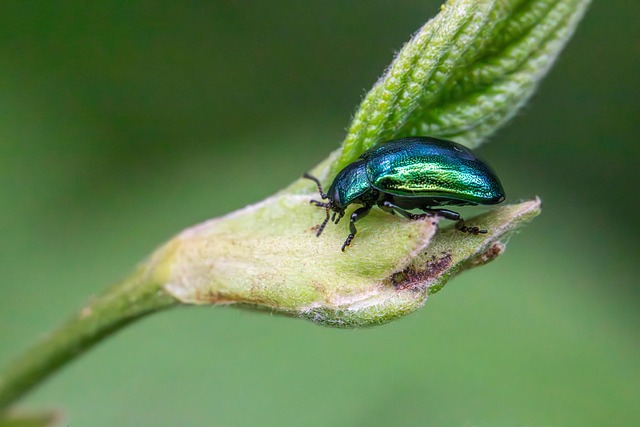
Native vegetation planting is a crucial aspect of wildlife management, especially for areas affected by urban development. Understanding what makes a plant 'native' is essential; it refers to a species that naturally occurs in a specific region, having evolved over time to fit the local environment and ecosystem. By adopting native plants, Wildlife Problem Consultants Denver aim to restore ecological balance.
These plants offer numerous advantages for both wildlife and the environment. They provide food and shelter for indigenous animal species, many of which have specialized diets dependent on these native resources. Native vegetation also helps to prevent soil erosion, regulates water cycles, and creates habitats that support a diverse range of biodiversity. Moreover, they are well-adapted to local conditions, requiring less maintenance and water than non-native species, making them an environmentally sustainable choice for landscaping and ecological restoration projects.
The Role of Wildlife Management in Planting Success
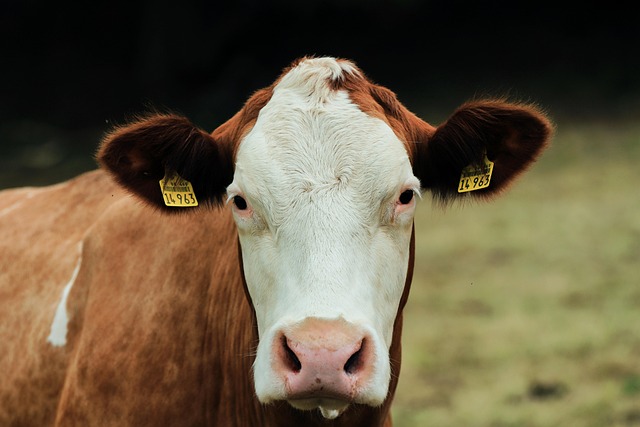
When it comes to planting native vegetation, successful outcomes don't just happen; they're carefully nurtured. This is where Wildlife Management steps in as a crucial player. Professionals in this field bring extensive knowledge about local ecosystems and wildlife habitats, ensuring that plants are not just introduced but thrive within their natural environment.
Wildlife Problem Consultants Denver, for instance, offer expertise beyond simply plant selection. They assess the area's existing wildlife populations, potential issues, and environmental conditions to create tailored strategies. By addressing wildlife management aspects like habitat restoration, predator control, and water resource planning, these consultants contribute to the long-term success of native vegetation planting projects.
Strategies for Effective Native Plant Restoration

Effective native plant restoration requires a strategic approach tailored to the specific needs of the ecosystem and the goals of wildlife management. Beginning with a thorough assessment of the site, including soil analysis, existing vegetation, and wildlife presence, allows for informed decisions on species selection and planting methods. Engaging Wildlife Problem Consultants Denver can provide valuable insights into the local ecosystem and ensure the chosen plants are suitable for both wildlife habitat enhancement and ecological balance.
Planting strategies should consider factors like seasonality, water availability, and sunlight exposure to maximize success rates. Additionally, creating diverse microhabitats through varied planting density and height can support a broader range of species. Regular monitoring post-planting is crucial to detect any issues early on and ensure the health and growth of restored native vegetation. This proactive approach, guided by experts like Wildlife Problem Consultants Denver, fosters thriving ecosystems that benefit both wildlife and the overall ecological landscape.
By understanding the intricate relationship between native vegetation and wildlife, and with effective management strategies in place, Denver's natural landscape can be restored and enhanced. Engaging Wildlife Problem Consultants Denver for expert guidance ensures a successful planting process, fostering biodiversity and ecological balance. These steps, combined with dedicated restoration efforts, contribute to a thriving ecosystem, where both flora and fauna thrive.