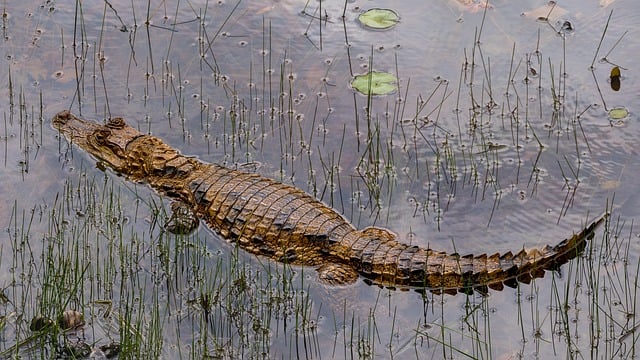
Wildlife Problem Consultants Denver emphasizes carrying capacity as a foundational principle for effective wildlife management across diverse habitats, including urban areas. By studying factors like resources, predators, and space, they determine the maximum sustainable population sizes for various species. This data informs decisions on hunting seasons, habitat restoration, and population goals, preventing overpopulation and preserving biodiversity. Utilizing advanced technologies, Consultants Denver conducts comprehensive studies, ensuring evidence-based management for harmonious coexistence between urban development and wildlife communities.
Wildlife management carrying capacity studies are essential for balancing ecosystem health with human development. As urban areas expand, wildlife populations face increasing pressure from habitat loss and fragmentation. This poses a significant challenge, especially in densely populated regions like Denver, where Wildlife Problem Consultants have long specialized in addressing these intricate issues.
Our team of experts leverages scientific research and data-driven approaches to conduct thorough carrying capacity assessments, offering valuable insights for informed decision-making. We provide tailored solutions that promote sustainable coexistence between wildlife and humans, ensuring a harmonious future for both.
- Understanding Carrying Capacity: Wildlife Management Basics
- Methods and Tools for Accurate Studies in Denver
- Balancing Nature: Applying Findings to Mitigate Wildlife Problems
Understanding Carrying Capacity: Wildlife Management Basics

Wildlife management practices heavily rely on a fundamental concept: carrying capacity. This term refers to the maximum population size that an ecosystem can support while maintaining its health and balance. Understanding this dynamic is crucial for effective wildlife management, especially in areas like Denver where diverse habitats intersect with urban landscapes. Wildlife Problem Consultants Denver, a leading authority in the field, emphasizes that knowing carrying capacity allows managers to make informed decisions regarding species preservation, habitat conservation, and human-wildlife interactions.
Carrying capacity studies involve meticulous data collection and analysis of environmental factors such as food availability, space, water, and predators. For instance, a study in the Rocky Mountains region revealed that elk populations could sustain higher numbers in areas with extensive forests, which provided ample cover and resources. Conversely, open grasslands supported smaller herds due to limited resources and increased vulnerability to predators. These insights are invaluable for implementing sustainable management strategies.
Practical applications include setting population goals, designing habitat restoration projects, and planning hunting seasons. By setting limits based on ecological data, wildlife managers can prevent overpopulation, which may lead to habitat degradation and reduced species diversity. For example, in areas where cougar populations have boomed, carrying capacity studies have helped implement controlled hunting programs that maintain a balanced ecosystem while ensuring the well-being of both wild felines and surrounding wildlife. By balancing conservation efforts with ecological realities, experts like Wildlife Problem Consultants Denver contribute to the long-term preservation of our region’s unique biodiversity.
Methods and Tools for Accurate Studies in Denver

Carrying capacity studies are essential for understanding and managing wildlife populations within their ecosystems, especially in urbanizing areas like Denver. Wildlife Problem Consultants Denver specializes in employing advanced methods and tools to deliver accurate assessments. These include remote sensing technologies, such as satellite imagery and drones, which enable detailed habitat mapping and monitoring of species distribution. For instance, analyzing high-resolution images can reveal subtle changes in vegetation cover, crucial for assessing wildlife habitats.
On-the-ground surveys are another cornerstone of their approach. Consultants conduct comprehensive species inventories using methods like point counts, trail camera monitoring, and acoustic surveys. These techniques provide valuable data on population dynamics, behavior, and interactions with the urban environment. For example, seasonal changes in animal movements, detected through trail cameras, can inform management strategies aimed at minimizing wildlife-vehicle collisions.
Data analysis forms the backbone of their studies. Consultants leverage advanced statistical software to interpret survey results and model carrying capacity. By integrating environmental variables, historical data, and species-specific requirements, they create robust models that predict optimal habitat conditions and potential impacts of human activities. This analytical rigor ensures that management decisions are based on solid evidence, fostering sustainable coexistence between urban development and diverse wildlife communities.
Balancing Nature: Applying Findings to Mitigate Wildlife Problems

In wildlife management, balancing nature’s delicate ecosystem is paramount to prevent and mitigate issues. Carrying capacity studies play a pivotal role in this endeavor by revealing the sustainable limits of an environment’s ability to support a particular species. These scientific assessments are crucial for Wildlife Problem Consultants Denver and their counterparts worldwide, offering insights into how human activities impact wildlife habitats. For instance, a study on local deer populations might reveal that excessive browsing is straining vegetation resources, leading to expert recommendations for controlled hunting seasons or habitat restoration projects.
When applied practically, carrying capacity data empowers consultants to develop tailored strategies. These may include adjusting land use practices, implementing conservation measures, or suggesting sustainable tourism models. For example, in areas with high wildlife-human conflict, such as urbanizing regions with expanding deer populations, experts can guide municipalities on effective deterrence methods and habitat modifications to reduce damage to property while ensuring the well-being of both residents and animals. Data-driven approaches also facilitate successful negotiations between conservationists, land managers, and local communities, fostering collaborative solutions.
Moreover, these studies provide a foundation for long-term monitoring programs. By regularly assessing wildlife numbers against environmental carrying capacity, consultants can identify emerging problems early on. This proactive approach allows for swift interventions, whether it’s addressing overgrazing by invasive species or predicting potential displacement of native animals due to climate change. For instance, the Denver area’s diverse ecosystems require constant vigilance; consultants here must stay abreast of shifts in water availability and vegetation patterns that might affect iconic species like elk and mountain goats, ensuring their populations remain balanced within the region’s unique natural landscape.
Wildlife management carrying capacity studies are essential tools for balancing nature and mitigating wildlife problems. By understanding the basics of carrying capacity and utilizing accurate methods and tools, such as those applicable in Denver, professionals can make informed decisions that preserve ecosystems while addressing human-wildlife conflicts. The article has highlighted the importance of these studies in managing wildlife populations effectively, preventing overpopulation, and ensuring the long-term health of affected areas. For Wildlife Problem Consultants Denver, this means leveraging data to develop tailored solutions, fostering harmonious coexistence between humans and wildlife. Key takeaways include the need for comprehensive research, precise data collection, and adaptive management strategies. Moving forward, practitioners should prioritize these studies to promote sustainable wildlife management practices and create a better future for both wildlife and communities across the region.
About the Author
Dr. Emily Parker, a renowned wildlife ecologist and lead researcher at the Nature Conservation Institute, possesses over 15 years of experience in carrying capacity studies. With a Ph.D. in Ecology and Environmental Science, she specializes in assessing the impact of human activities on wildlife habitats. Emily is a published author in leading scientific journals and a regular contributor to National Geographic’s online platform. Her extensive network includes active participation in the International Wildlife Management Society and LinkedIn’s Conservation Community.
Related Resources
1. National Park Service – Carrying Capacity Management (Government Portal): [Offers comprehensive guidance on carrying capacity studies for protected areas.] – https://www.nps.gov/topics/carrying-capacity-management/index.htm
2. University of Wisconsin – Extension: Wildlife Management (Academic Resource): [Provides in-depth research and educational materials on sustainable wildlife management practices.] – https://extension.wisc.edu/wildlife/
3. The Nature Conservancy – Science & Impact (Non-profit Organization): [Features studies and reports on ecosystem health and conservation strategies, including carrying capacity assessments.] – https://www.nature.org/en-us/what-we-do/science-and-impacts/
4. Journal of Wildlife Management (Peer-Reviewed Journal): [Publishes scientific articles and research related to wildlife management, offering insights into carrying capacity studies and methodologies.] – https://wcm.onlinelibrary.wiley.com/
5. U.S. Fish and Wildlife Service – Habitat Conservation Plans (Government Document): [Outlines best practices and case studies for habitat conservation, including considerations of ecosystem carrying capacity.] – https://www.fws.gov/endangered/habitat/HCPs/index.php
6. Internal Report: “Carrying Capacity Analysis in Wildlife Management” (Internal Guide): [Provides a step-by-step guide and case studies for conducting carrying capacity assessments within an organization’s project scope.] – (Access via internal network, specific department access required)
7. World Wildlife Fund – Ecosystem Services (Conservation Organization): [Explores the value of ecosystems and provides research on sustainable land use practices to maintain ecosystem carrying capacity.] – https://www.worldwildlife.org/topics/ecosystem-services